
By Theresa Leppert, LMT, CA
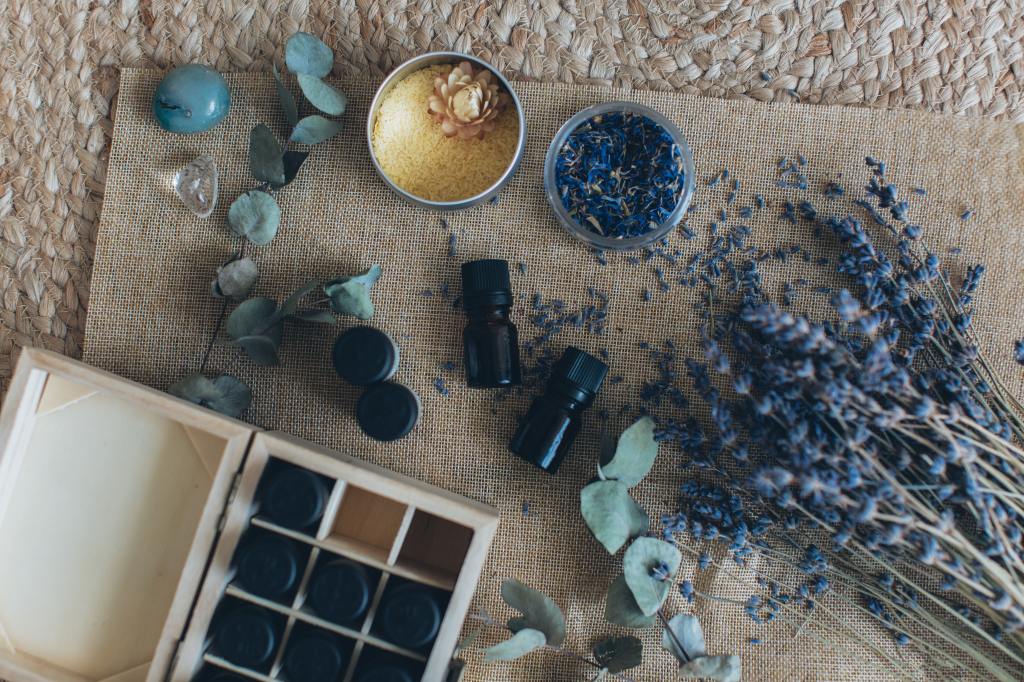
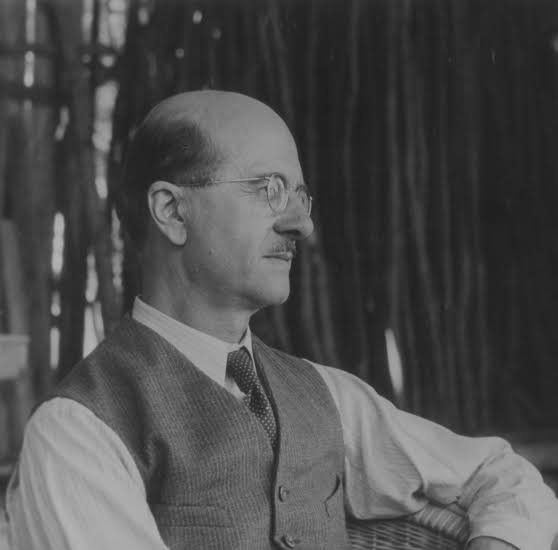
The use of essential oils has been practiced by many civilizations going back thousands of years, documented in places like Egypt, Greece, and China. Aromatic plant extracts have been used for both medicinal and spiritual purposes. The term “aromatherapy” was coined in the 20th century by a French chemist named René-Maurice Gattefossé. He studied (extensively!) the healing properties of essential oils. (Learn more here.)
Today, aromatherapy is recognized as a therapy that can complement conventional medicine, and is in fact used in many hospitals – including the Mayo Clinic and The Cleveland Clinic!
I am often asked “What IS aromatherapy?” I need to work on a quick answer to this one, I guess. In short, aromatherapy involves the use of essential oils and other plant extracts, to improve overall health and vitality; a holistic approach to promoting physical, mental, and emotional well-being.
The Power of Essential Oils
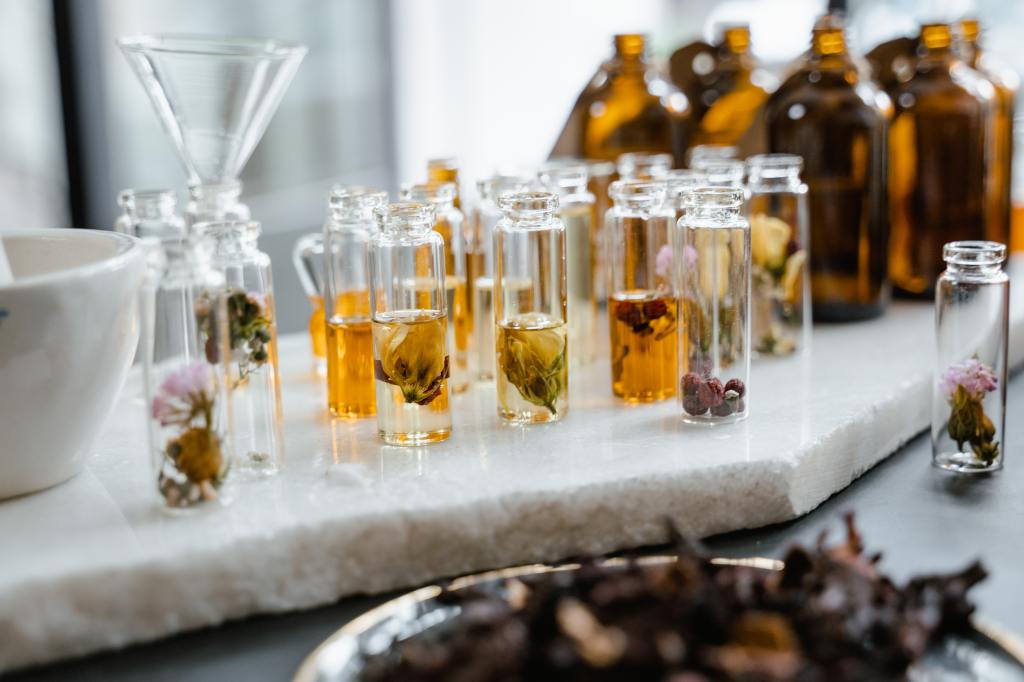
Essential oils are the heart and soul of aromatherapy. These potent substances are extracted from various parts of plants, such as leaves, flowers, stems, and roots, through methods like steam distillation or cold pressing. Each essential oil boasts a unique aroma and a diverse range of therapeutic properties.
How can aromatherapy benefit you?
- Stress Reduction: Aromatherapy is renowned for its ability to alleviate stress and anxiety. Essential oils like lavender, chamomile, and frankincense can induce a sense of calm and relaxation when diffused or applied topically.
- Improved Sleep: Struggling with insomnia or restless nights? Essential oils like lavender and cedarwood can promote better sleep patterns, helping you wake up refreshed and rejuvenated.
- Pain Management: Aromatherapy can be a natural solution for managing pain and discomfort. Oils like peppermint and eucalyptus possess analgesic properties that can provide relief from headaches, muscle aches, and more.
- Enhanced Mood: Certain essential oils, such as citrus oils like lemon and orange, are known for their mood-lifting abilities. Diffusing these oils can help boost your mood and create a positive atmosphere.
- Skin Care: Essential oils like lavender and frankincense have antimicrobial and anti-inflammatory properties, making them valuable additions to your skincare routine.
How can you incorporate aromatherapy into your daily life?
- Diffusion: The most common way to enjoy aromatherapy is through diffusing essential oils. Use an essential oil diffuser to disperse the aroma throughout your living space.
- Topical Application: Dilute essential oils with a carrier oil like coconut or jojoba oil and apply them directly to your skin for targeted benefits. Always do a patch test first to ensure you don’t have any adverse reactions.
- Inhalation: Inhaling the scent of essential oils from a tissue, cotton ball, or even your palms can provide immediate relief and relaxation.
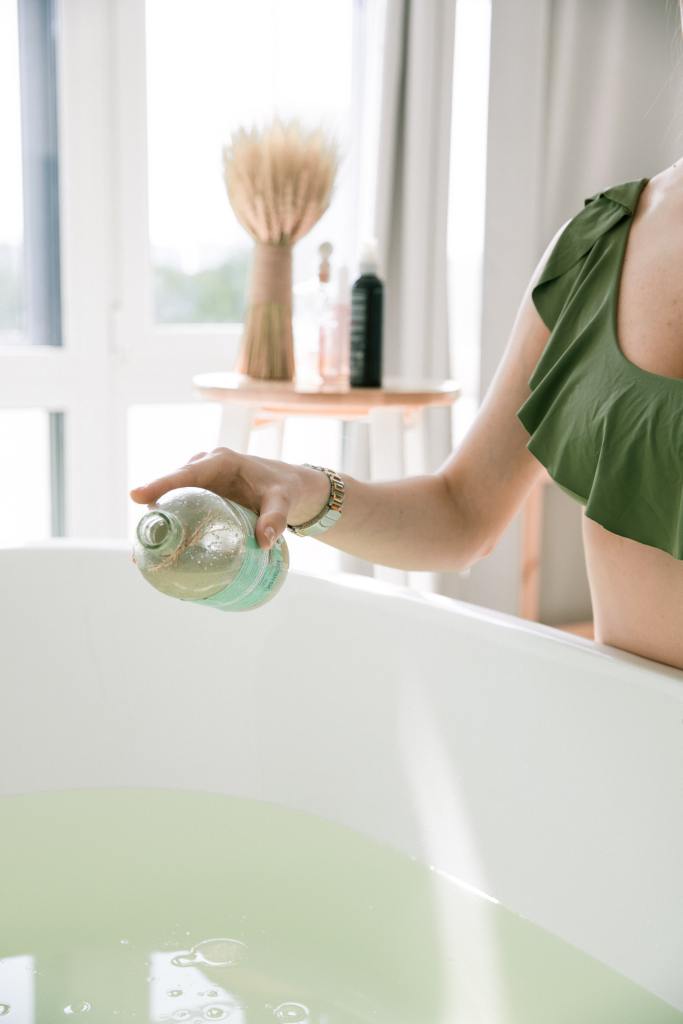
- Bathing: Add a few drops of essential oil to your bathwater for a luxurious and therapeutic bathing experience.
- Massage: Aromatherapy massages combine the benefits of essential oils with the healing power of touch, promoting relaxation and stress relief.
Conclusion
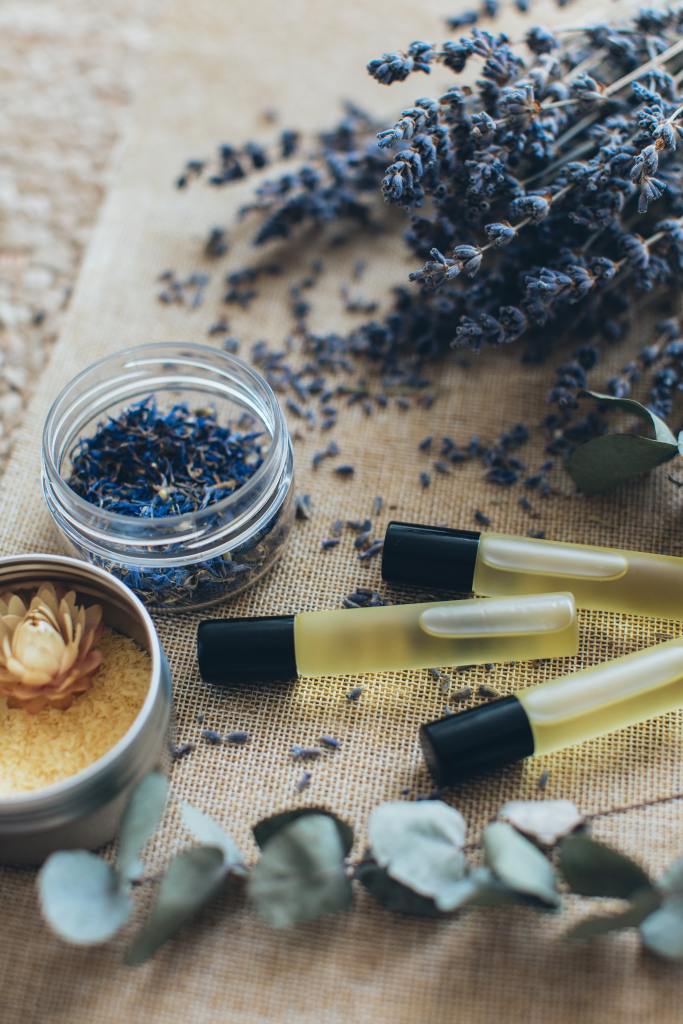
Aromatherapy is a versatile and holistic approach to well-being that can enhance your physical, mental, and emotional health. By harnessing the power of essential oils, you can create a harmonious and healing atmosphere in your daily life. Whether you’re seeking relaxation, stress relief, improved sleep, or relief from aches and pains, aromatherapy has something to offer for everyone. Start your journey into the world of aromatherapy today and experience the many benefits it has to offer.
Connect with me!
Theresa Leppert, LMT, CA
563-484-0653
Facebook: Lucida Sol Wellness & Botanicals
 Lucida Sol Wellness & Botanicals
Leave a comment